
Property developers, investors, and construction companies all have their eyes on commercial to residential conversion. And there are plenty of reasons as to why that is. If this is your first time hearing about this growing property development method, allow us to provide a bit of backstory and explanation.
So, what is commercial to residential development? It is the process of taking unused or underutilised commercial buildings and transforming these spaces into homes for the public. As well as being a great opportunity for investors, this strategy aids the UK’s current housing shortage by repurposing these often large commercial spaces into much-needed homes.
In this article, we will introduce you to the topic of commercial to residential conversion, sharing how it is achieved, the process of changing the use of a property, recent updates to permitted development rights, and more. As a reputable construction company with experience in commercial to residential construction projects, there’s no one better equipped to guide you through this intriguing property development strategy.
Commercial Vs Residential Development: How Are They Different?
To truly understand what commercial to residential development is, we need to know the differences between commercial development and residential development.

While we know that commercial properties, such as office buildings, retail shops or warehouses, are designed for business use, and that residential properties are used for private living spaces, like homes and flats, these two development types are also differentiated by building regulations, planning permissions, and structural requirements. All of which are very important when dealing with commercial to residential conversions.
What is Commercial Development?
Commercial property development refers to the construction or renovation of properties that are used for business purposes. An example may be an office renovation or building a new factory from the ground up. The primary function of commercial properties is to serve a business function. This is done in various ways depending on the type of business. A hospital, for instance, serves its patients through medical attention and assistance. A school provides education to pupils for the benefit of parents and the wider community. And it can even be as simple as a warehouse being used to store commercial goods.
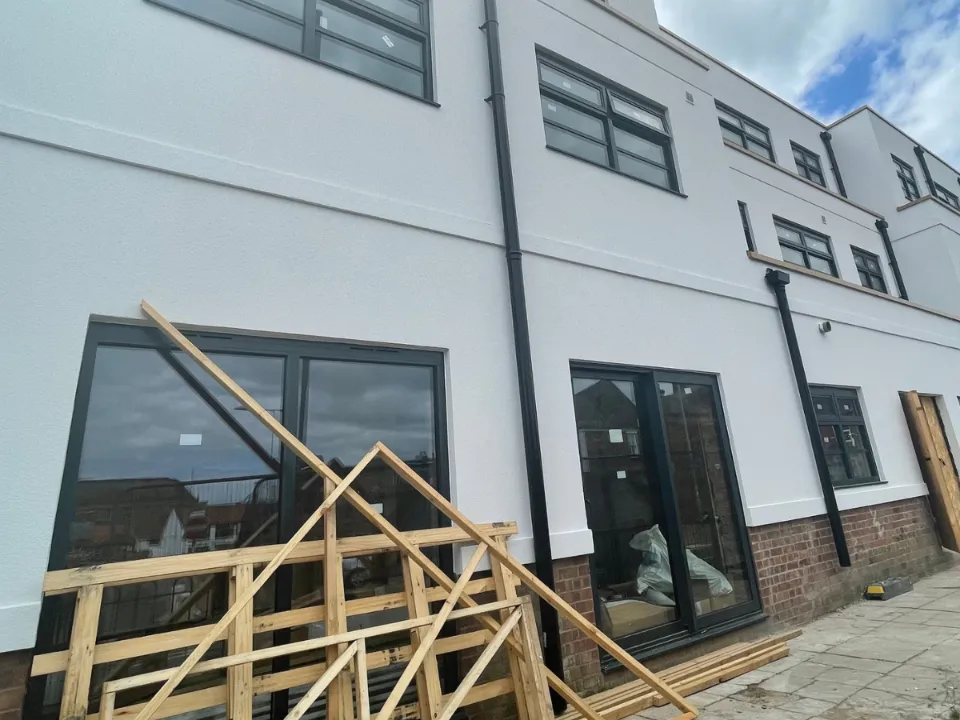
Due to the impact on infrastructure, traffic, community, and local area, commercial developments are often subject to strict building regulations and planning permissions.
What is Residential Development?
Residential development typically refers to the construction of newly built properties that are intended for housing. One example would be the recent new build development by Bespoke Construction Group in Burnham Market – Burnham Meadows. The primary goal of this type of property development is to create living spaces that meet the needs of individuals and families hoping to move into their own homes.

Residential properties are usually located in areas that have been bought and zoned off specifically for the construction of new homes. Building regulations associated with residential properties differ from those of commercial developments, particularly concerning design, density, and environmental considerations.
Can Commercial Property be Changed to Residential?
Yes, properties that were once used primarily for business purposes can be changed into residential properties, which is exactly what commercial to residential development – sometimes referred to as C2R – is. It can be a lengthy and challenging project to undertake with lots of steps involved. However, with the growing demand for housing, in areas like Norfolk and Suffolk, and a significant number of underutilised or underperforming commercial spaces in the UK, it is a strategy beneficial to multiple parties.
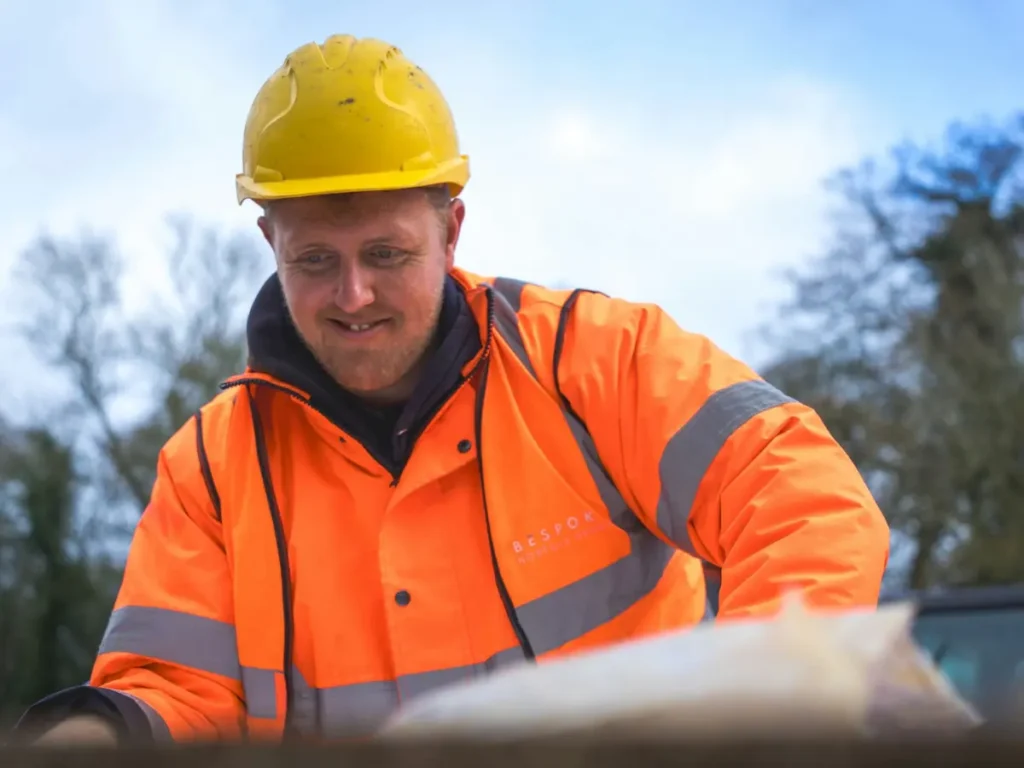
When converting a commercial property into habitable living spaces, it’s something that is easier said than done and requires the necessary expertise to achieve. Plus, there are several factors to be considered, which we will explore further in this article. That being said, there is some good news for interested individuals with recent changes to permitted development rights – again, more on that later.
Change of Use: Commercial to Residential Conversion
The fact is that when undertaking a commercial to residential conversion, you are changing the use of that particular property. What once was a property that only served a business use is now being altered for the use of housing. This is one example of the ‘change of use’ process. This process usually involves submitting an application to the local planning authority, which will assess the feasibility of the proposed change of use.

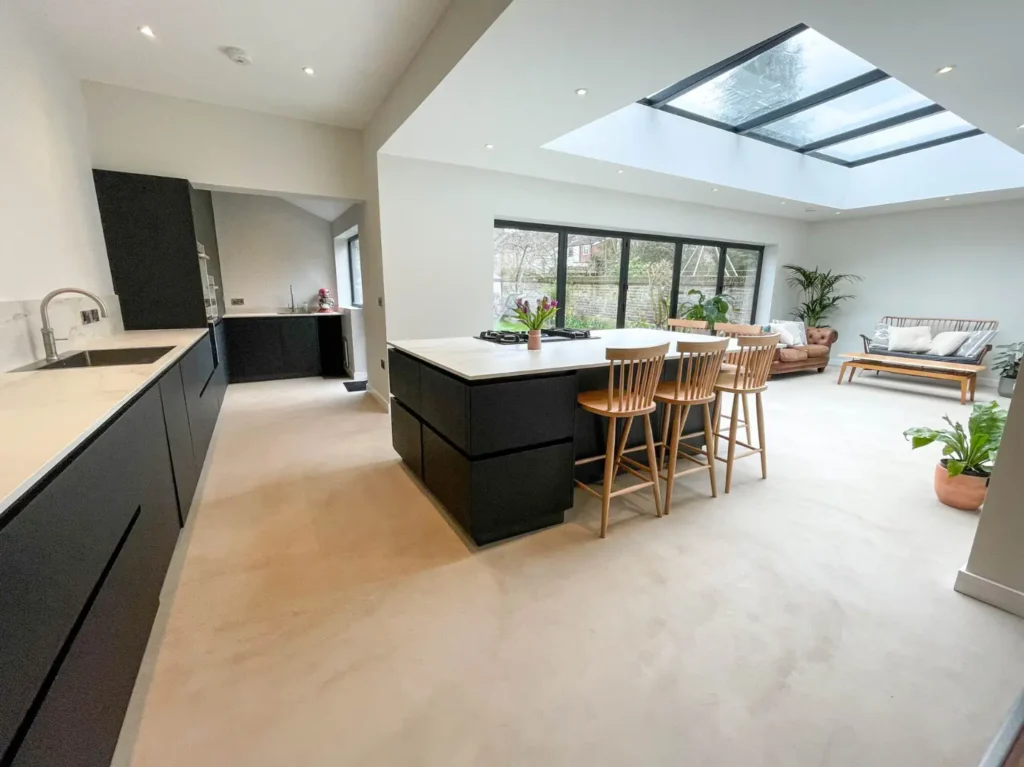
Changing a property from one ‘use class’ to another can be challenging, especially considering the various requirements that may need to be made, such as safety standards and soundproofing. Although, in some cases, planning laws can be relaxed to encourage more commercial to residential developments because of the housing shortage.
How to Change a Property From Commercial to Residential
Commercial to residential conversion requires careful planning, the assembly of a capable team, and perfect execution. As mentioned before, there is much to consider with a project of this scale. As well as addressing the obvious concerns of planning and structural work, you must also consider financing, legal checks, utilities, and much more.
Steps Involved With a Commercial to Residential Conversion
- Attain Planning Permission
The first step is to determine the classification of the property and to request a change of use. Then, if successful, it will come time to consult with the local planning authority and attain the necessary approvals for construction work to begin.
- Assess the Property
To ensure the building can support residential use, the property will need to be assessed, which will typically involve structural assessments, legal checks, and examining the utility infrastructure.
- Renovations
As commercial properties often have different floor plans to homes, significant renovation work will take place and act as the pivotal stage of the commercial to residential conversion. The layout will need to be adapted to allow specified sections required for a comfortable living space, such as the kitchen area, bedrooms, and bathrooms.
- Updating Utilities
To provide the new residential property, or properties, with heating, electricity, and plumbing, the utility systems will likely need updating or modifying.
- Final Touches
With all of the important background work finalised, the last step will be to put the finishing touches to the home(s), displaying them as new homes ready to be moved into and a place for someone to call home.
Construction Companies That Specialise in Commercial to Residential Conversion
When considering how to change a property from commercial to residential, the key, that is understood by experienced developers and investors, is working with a construction company that has experience in commercial to residential conversions. Bespoke Construction Group, for instance, is a great example. Our construction company in the East of England has worked on a variety of commercial to residential developments.

There are not many construction companies out there that can take on such a project, so it is vital to work with contractors, builders, and architects who have the experience to draw from and the skills to get the work done to perfection, resulting in beautiful new homes for the public and maximised returns for investors.
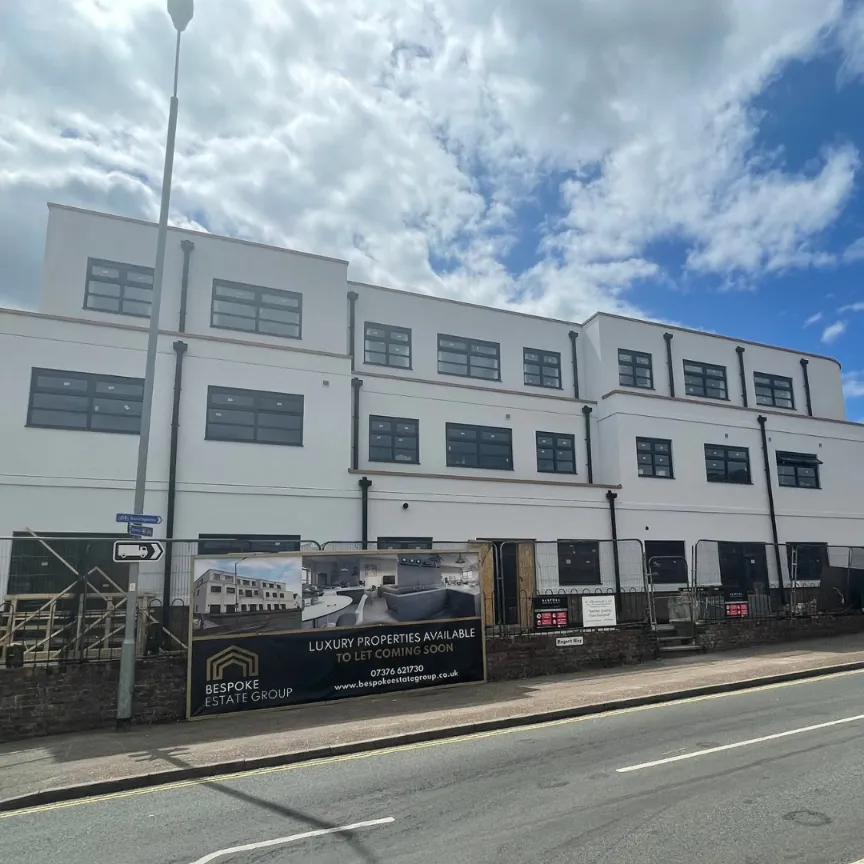
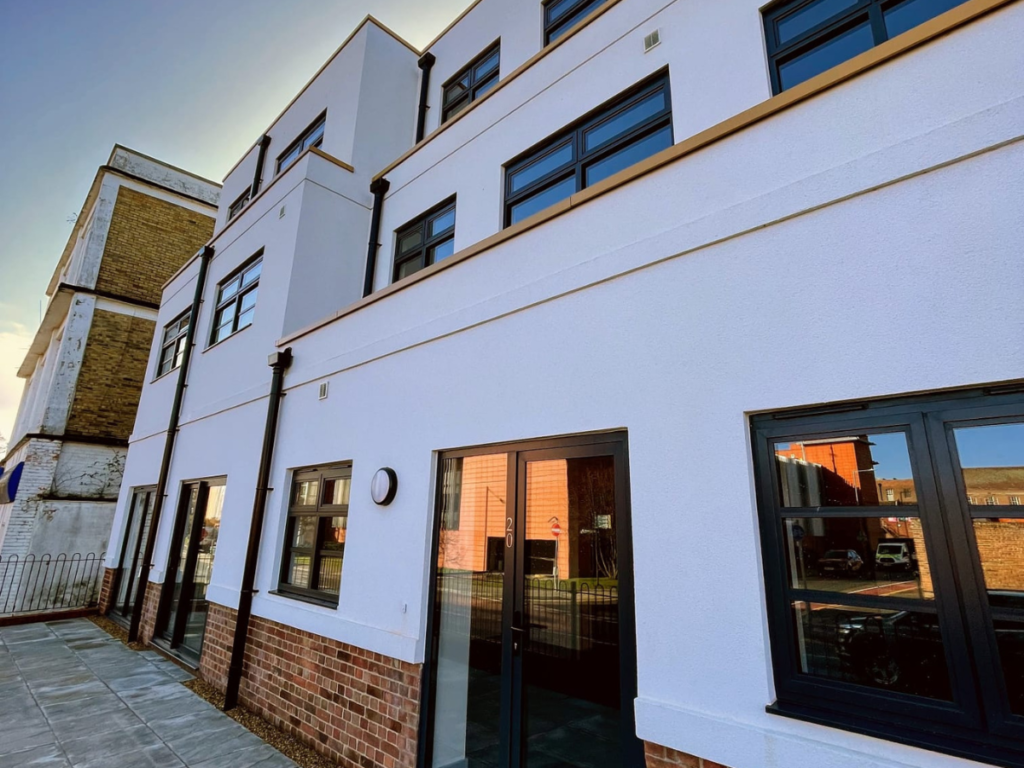
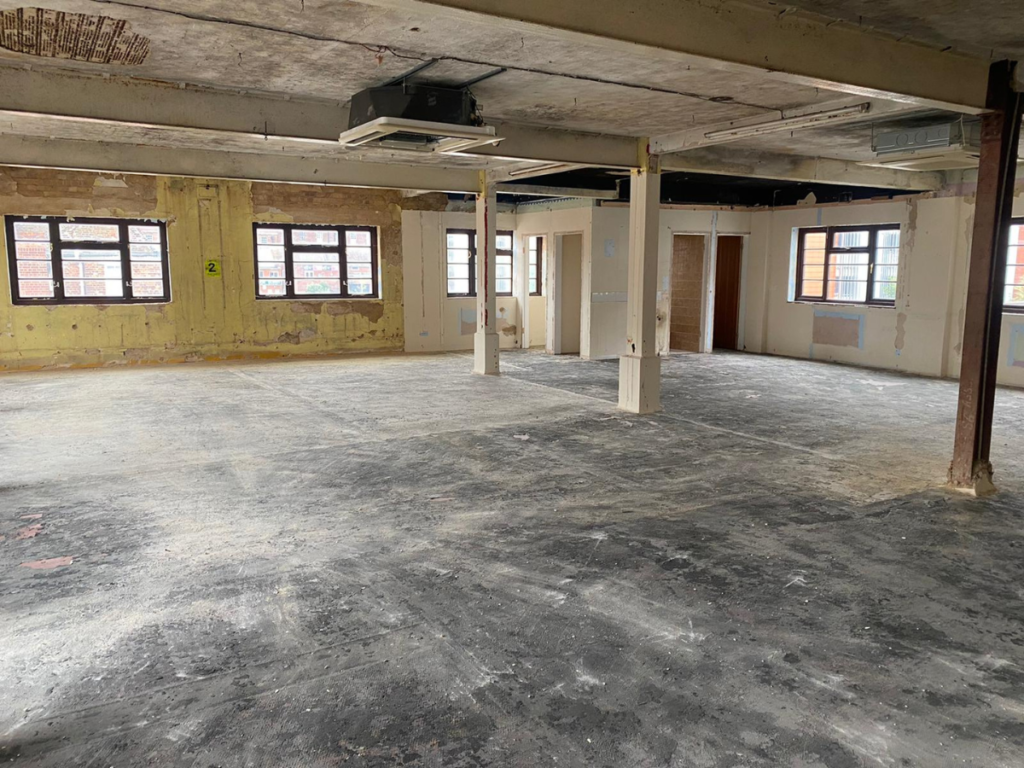
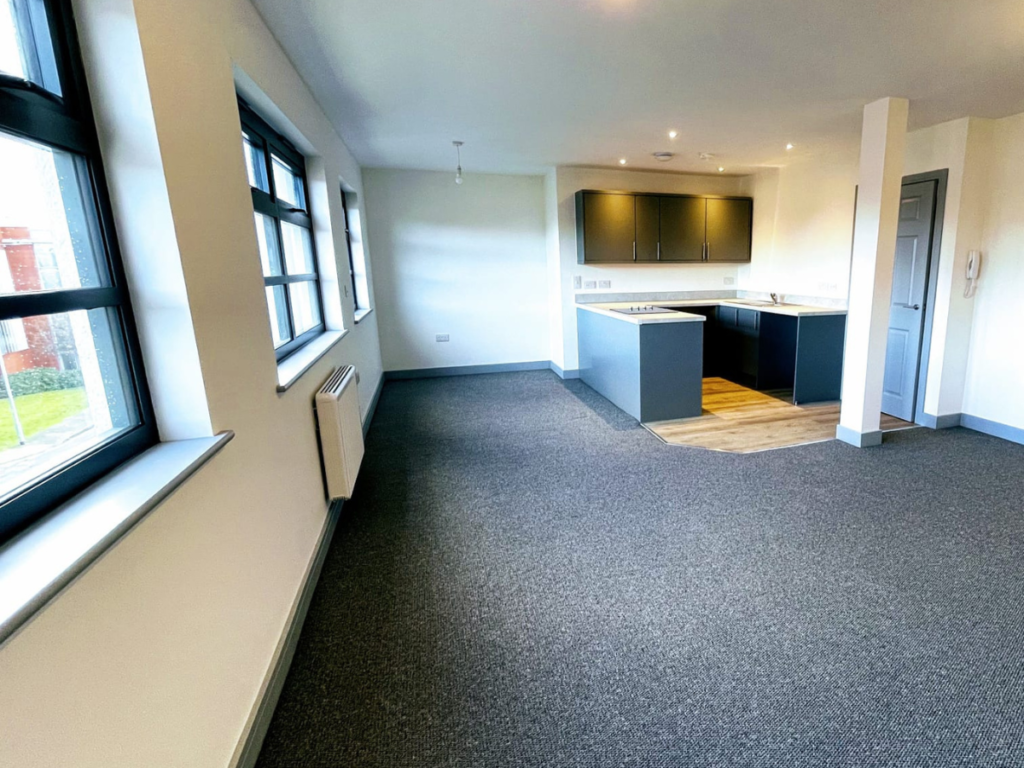
See this commercial to residential conversion project by Bespoke Construction Group that saw the creation of 14 luxury, modern, new flats from an old and rundown British Legion building:
Commercial to Residential Permitted Development
On the 1st of August 2022, new permitted development rules in England were announced. These new rules would make it easier for commercial to residential conversion projects to go ahead by removing the need for full planning permission. Similar to how permitted development rights work for residential properties, commercial to residential developments can only access these rights as long as certain conditions are met.

Commercial to residential permitted development is great news for developers, homebuyers and investors as it means an easier route to creating new, much-needed homes via unused commercial buildings.
What If Permitted Development Rights Conditions Cannot Be Met – Commercial To Residential Planning Permission
If certain conditions that are required through permitted development cannot be met, planning permission will be required for commercial to residential conversions. This is likely the case for many larger, more complex projects where factors such as the environment and local area are greatly affected. Planning permission can be a lengthy process, especially for commercial to residential conversions, but by working with experienced consultants and conducting proper preparation, it is easily navigated.
Commercial to Residential Cost
As one can imagine, the costs involved in commercial to residential development can be extremely high, reaching hundreds of thousands to millions of pounds. That being said, commercial to residential costs can still vary widely depending on factors like size, condition, and location, which is the same with simple single home renovations and conversions.

But unlike a straightforward home renovation, there is a lot more to consider, which drives the commercial to residential costs much higher. As we have discovered throughout this article, these additional costs come from far more complex structural changes, extensive layout alterations, wide-scale utility work, and more.
Developers must also budget for professional fees, including those for architects, surveyors, construction professionals, and legal experts. This is why investors are often needed when it comes to commercial to residential conversion.
Final Thoughts on Commercial to Residential Developments
However complex or expensive a commercial to residential conversion may be, there’s often a great need for these development projects. With the growing shortage of housing in the UK and many unused commercial spaces gathering dust, it’s a logical and practical approach to building new homes.
If you’re interested in exploring commercial to residential conversion further, Bespoke Construction Group is the ideal development partner. Speak to our team today and see what’s possible with our support.
