
Bespoke Construction Group are already a leading construction company in Norfolk, and recently, have expanded into the area of Cambridgeshire. Now, as a local construction company in Cambridgeshire, our team have put together this guide to construction in Cambridgeshire.
Within this guide, we have outlined useful information for those planning to take on a construction project in Cambridgeshire. Whether you’re planning to build your own home on a plot of land or improve your current property with innovative renovations or something similar, this guide is ideal for you.
An Introduction to Construction in Cambridgeshire
Cambridgeshire is a county steeped in history and is ever-evolving, which has resulted in it becoming a popular place to live and build upon. Because of factors such as its cutting-edge sustainable developments, like the Northstowe Eco Town, and architectural prowess – as seen in the Corpus Christi College in Cambridge, Cambridgeshire offers an exciting landscape for builders and homeowners.
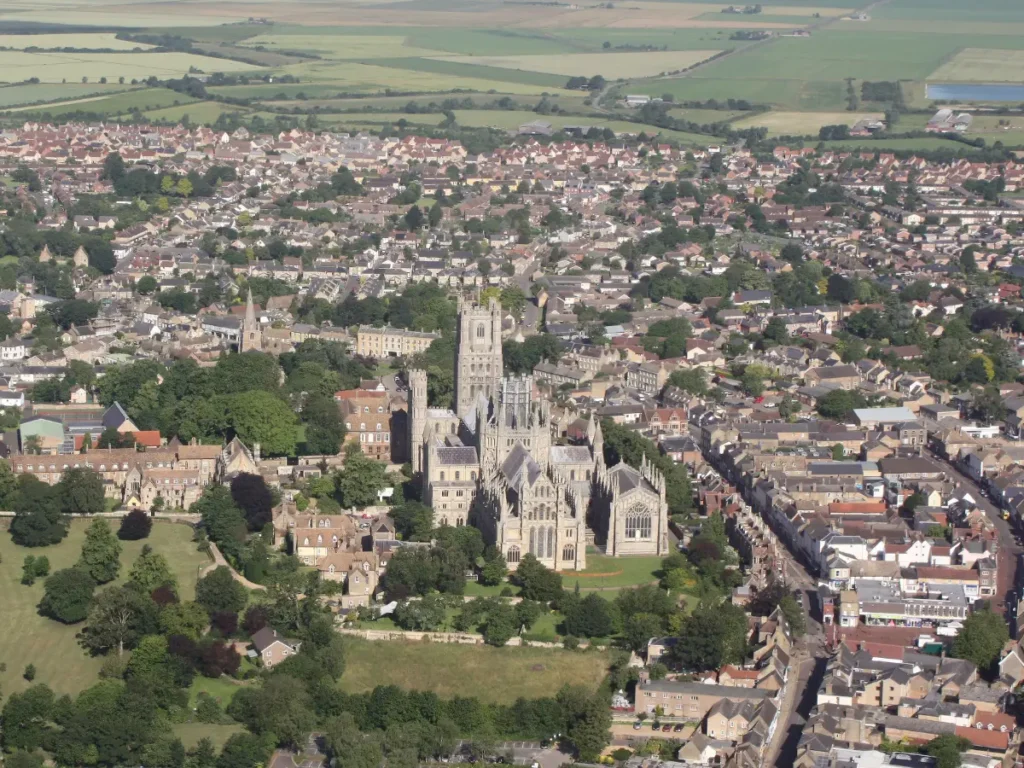
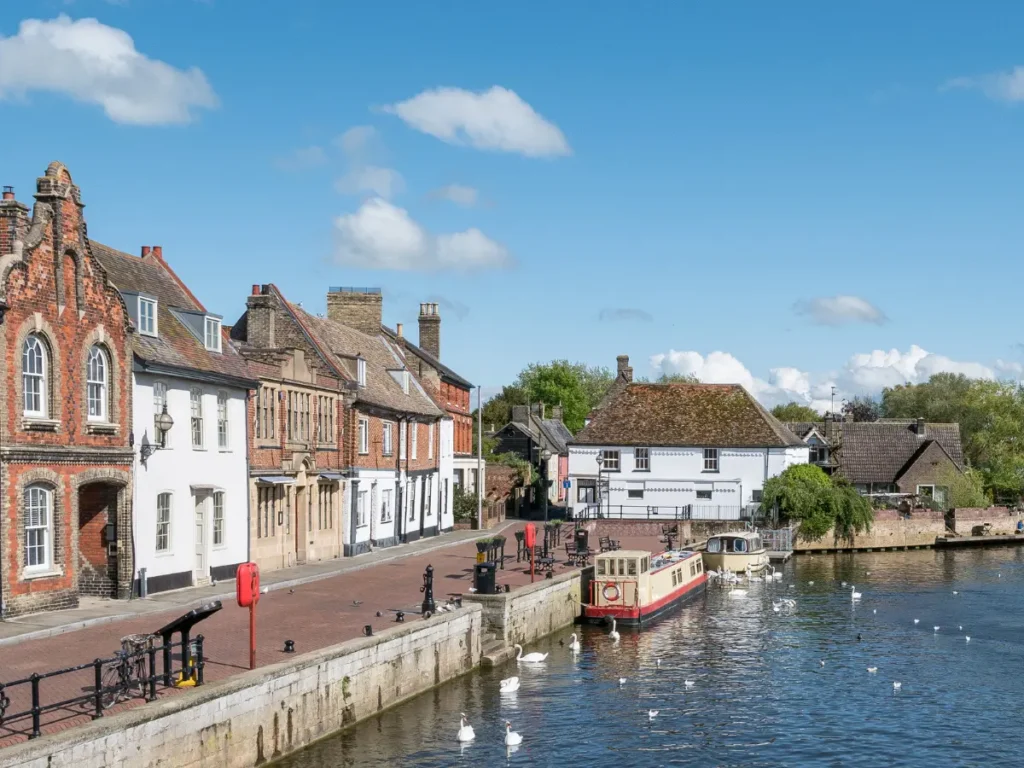
The areas that make up this county – such as St Neots, Cambridge, St Ives, Ely, Peterborough, and Soham – cater to a wide range of construction projects every year. Whether you’re planning to add a striking modern house extension to your property or are going ahead with a large-scale commercial office renovation, Cambridgeshire offers a diverse construction industry filled with homebuilding specialists and construction companies to offer their assistance.
With a thriving construction industry and also being home to widely recognised universities, such as Cambridge University, building in this county means you can take advantage of the latest research and development in construction technologies and materials, as well as creative architectural design.
Local Building Regulations and Permits
Wherever you plan to build in the UK, obtaining the necessary permits and meeting the appropriate building regulations is vital. Cambridgeshire is like any other county – it has its own set of regulations and planning permission guidelines that homeowners and builders need to adhere to.
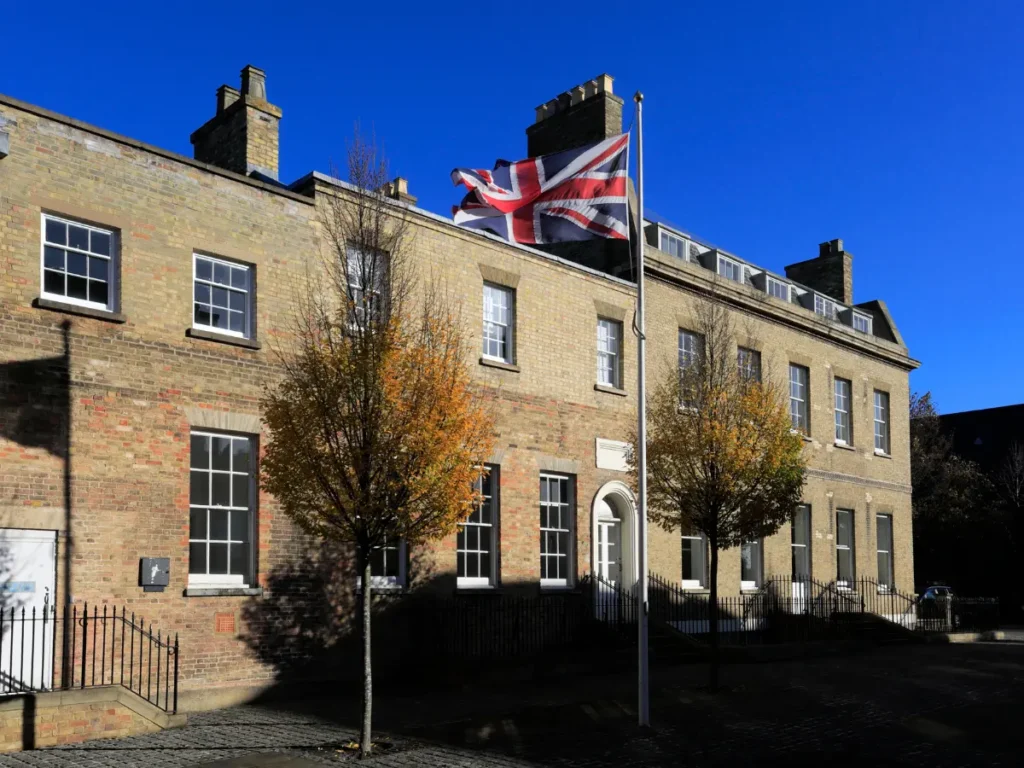
Before getting started, it’s important to know the following:
- Building Regulations: The purpose of building regulations in England – including Cambridgeshire – is to ensure construction projects meet the minimum standards set for health, safety and energy efficiency. Building regulations typically cover such factors as structural integrity, fire safety, access, and more. Find out more about building regulations on the government website: https://www.gov.uk/building-regulations-approval
- Local Planning in Cambridgeshire: Planning permission and permitted development rights are handled by the local planning authority (LPA). In Cambridgeshire, each district council acts as the local planning authority. They are responsible for:
- The approval of planning applications: For your construction project to be approved, you will need to submit a planning application to the local LPA outlining details of the project.
- Local planning policies: These policies may set specific guidelines for architectural styles, building materials, and development density in your area.
- Find your local planning authority:
It is advised to contact your local planning authority in the early planning stages of your project to understand any specific requirements you must follow.
History of Construction in Cambridgeshire
Cambridgeshire’s Rich Architectural Past
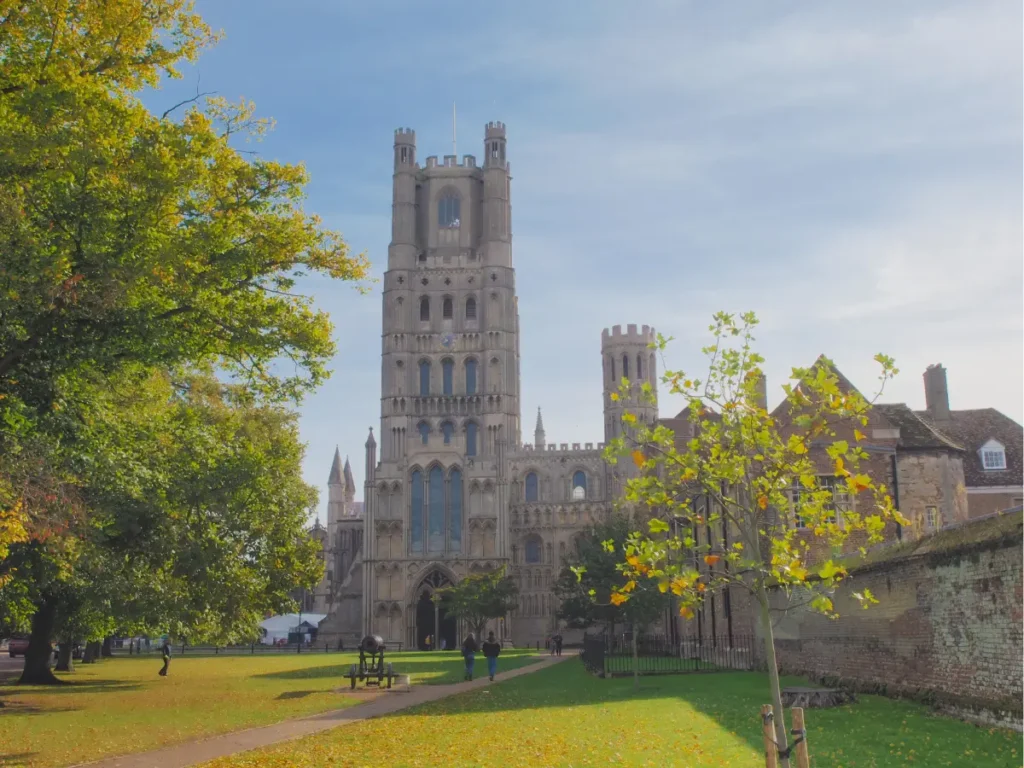
Like most counties across the UK, Cambridgeshire has a grand history of architecture that stretches back centuries. From the Roman settlement of Duorvigoritum – which is now known as modern-day Godmanchester – to the spires of Ely Cathedral which is a true example of masterful Romanesque architecture, the county’s architecture tells a captivating story.
Places like Denny Abbey, a medieval monastery in Waterbeach, offer glimpses into the past. Cambridge University showcases architectural gems like King’s College Chapel, widely recognised for its stunning fan vaulting and stained glass. Residentially, half-timbered houses with black and white facades add timely village charm to places like Longstanton, while Elizabethan mansions like Burghley House show the county’s Tudor heritage.
Wimpole Hall is just one example of the influence the Georgian era held over Cambridgeshire, which is also evident in symmetrical townhouses plotted about the county. Not forgetting this area’s industrial heritage which is reflected by structures like Houghton Mill. More recently, the 20th century brought a wide range of architectural styles, such as the neo-Gothic Corpus Christi College.
The Building Stones That Make Up Cambridgeshire’s History
Cambridgeshire offers a diverse range of building stones, and the stories behind them and their introduction to this county offer an intriguing insight into the history of construction in this area.
Some types of stone have been quarried from within the county itself and from slightly further afield. For the many brickworks in Cambridgeshire, a large amount of clay has been utilised along with more exotic stones that had mainly been carried to this local area via ice and deposited when the glaciers had melted.
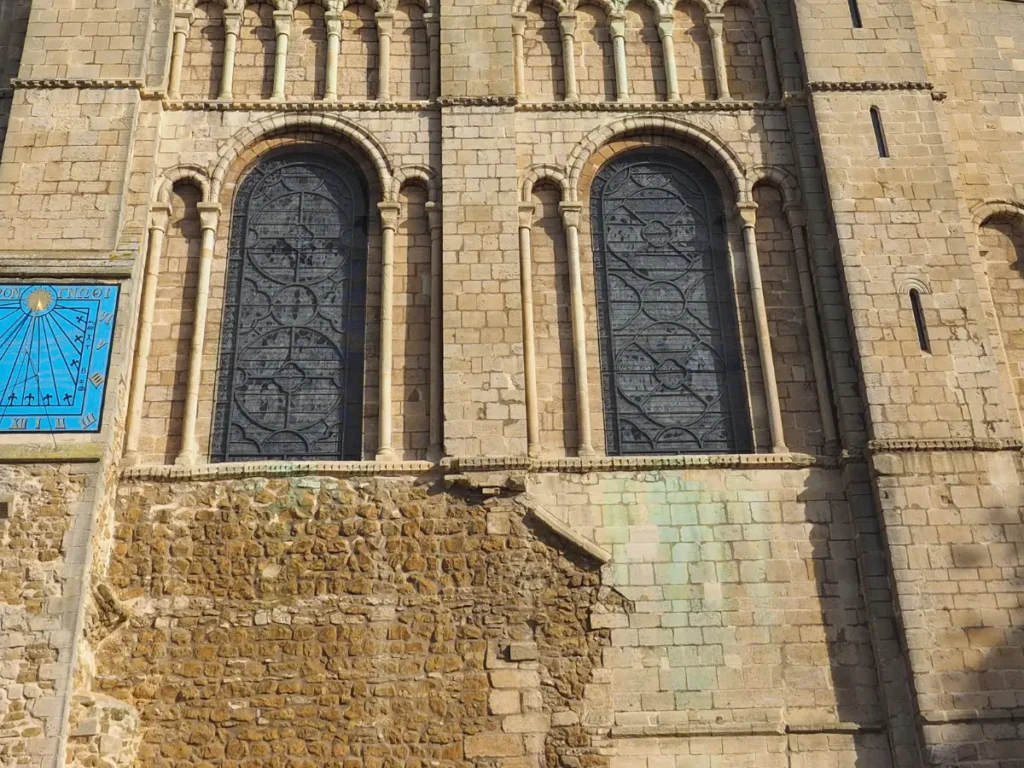
Some of the main building stones used in the county are:
- Middle Jurassic Limestone: Mainly from Lincolnshire and the Northwest of Peterborough, Middle Jurassic limestone, including Barnack Stone, was used to construct the bridge at St Ives, Peterborough and Ely Cathedrals.
- Lower Cretaceous Sandstone: Cambridgeshire builders used sandstone, like the kind found near Gamlingay, for some medieval churches (including St. Mary’s). This sandstone has distinctive iron streaks and can also be seen in the walls around Ely Cathedral.
- Upper Cretaceous: A softer limestone called “clunch” along with flints were used for many walls and buildings. They also found a harder type of chalk called Totternhoe Stone, which is a widely used building stone.
- Quaternary: Melting glaciers during the Anglian Glaciation left behind a mix of stones called “fieldstones”. These stones came from both nearby and faraway places as far as Norway. Quaternary pebbles were used to build the 12th-century Church of St. Michael at Toseland.
Considerations For Your Cambridgeshire Construction Project
While building regulations and planning permission are crucial, other factors specific to Cambridgeshire should be considered. Here’s what to keep in mind:
Respecting the Environment
Cambridgeshire boasts a busy and booming city life, but it’s also the county’s natural beauty that captures the hearts of homeowners in this area. The county is home to many protected areas like Wicken Fen and SSSIs (Sites of Special Scientific Interest) harbouring rare wildlife. Construction in these areas requires careful planning to minimise environmental impact.
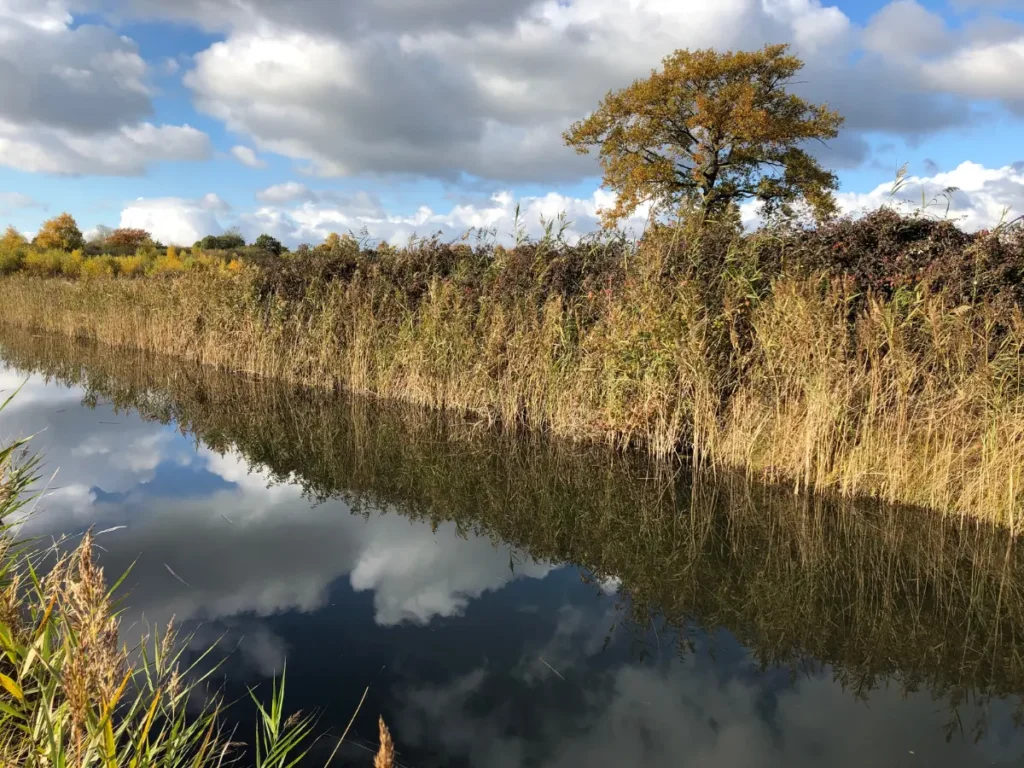
To get started, it’s important to know if where you’re planning to build is a protected area. If so, you will next need to consult your local planning authority (refer to our list above). Your local authority can then advise on specific planning requirements for construction in this area. Consulting with The Environment Agency will also guide you on regulations for waste management, pollution control, etc.
To respect the environment further, consider building with eco-friendly best practices. One way you can do this is by using locally sourced building materials to reduce transportation emissions and support local businesses. Also, sustainable building techniques, like timber frame construction offer a greener way to build than conventional methods.
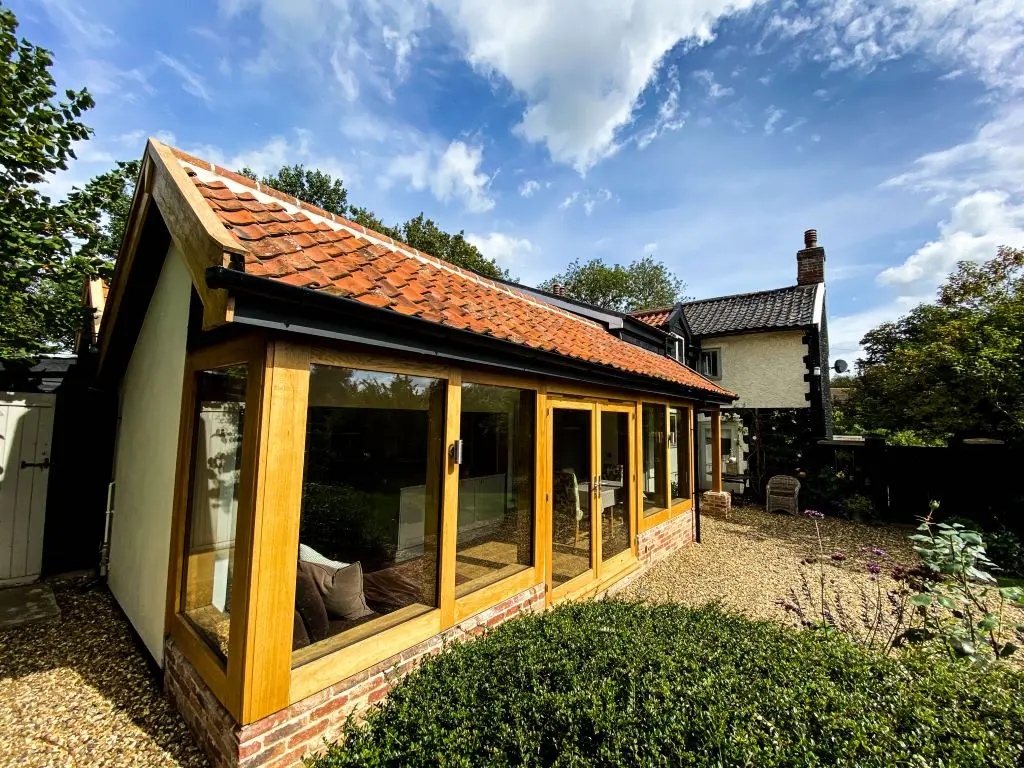
Working with a local construction company allows you to build while also respecting the environment, as they can advise you on best practices, help you navigate regulations, source eco-friendly materials, and use the most appropriate building techniques.
Understanding the Geology
Cambridgeshire’s diverse geology presents unique considerations for construction. Here’s how to navigate the ground beneath your home construction site:
- Know Your Soil: The county boasts a variety of soil types, from clay and sand to alluvial deposits and chalk. Each type presents distinct challenges:
- Clay: Prone to shrinkage and movement, requiring special foundation measures.
- Sand: May not provide sufficient load-bearing capacity, potentially requiring piling (deep foundations).
- Alluvial deposits: Variable in composition and may require additional ground investigation.
- Chalk: Can be suitable for foundations but may have groundwater concerns.
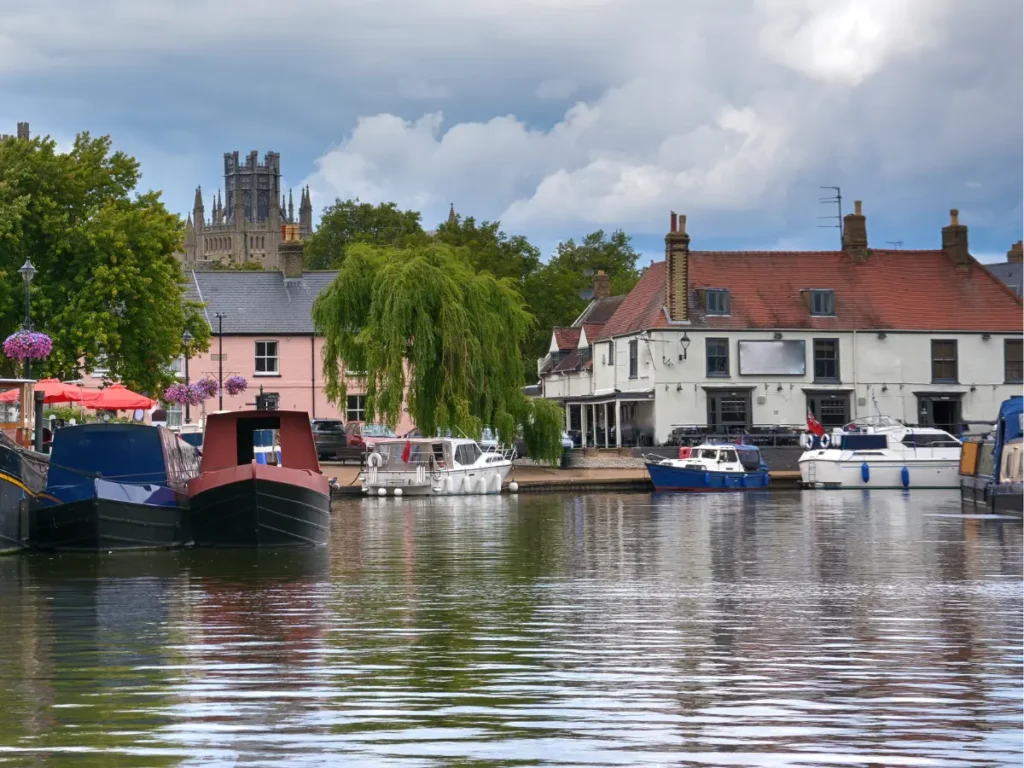
It’s important to note that some areas of Cambridgeshire are susceptible to flooding. Understanding your soil type and potential flood risks is crucial for a safe and successful build. A geotechnical survey is highly recommended. Conducted by a qualified professional, this survey will assess your specific site’s soil conditions, recommend foundation solutions, and identify any potential ground hazards.
By understanding Cambridgeshire’s geology and conducting a geotechnical survey, you can ensure your building project has a solid foundation for its future.
Considering the Architecture
We’ve already taken a look at Cambridgeshire’s rich architectural history. With such renowned architectural appeal, it’s important to ensure your construction project complements the surrounding architecture.

Areas like St Neots, Cambridge, St Ives, Ely, Peterborough, Soham, and more, have distinct architectural styles. Your local planning authority can provide specific guidance to ensure your designs adhere to local policies. These policies may dictate aspects of your build like materials, roofing and windows.
If you are able to understand the local design considerations and collaborate with local professionals, such as architects and builders, you’re setting yourself up for success. If you choose to work with a turnkey building contractor, this will likely all be handled for you.
Building Materials for Construction in Cambridgeshire
For a successful home construction project in Cambridgeshire, whether it’s a small-scale side extension or a huge barn renovation, choosing the right building materials is crucial.
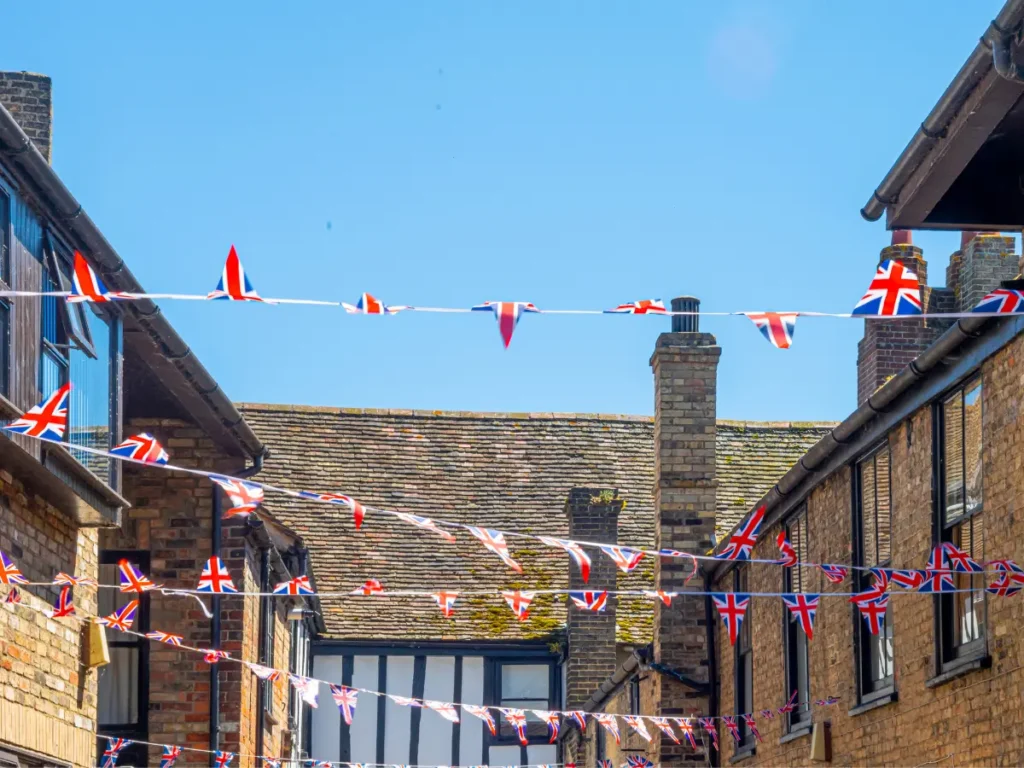
Ensure the materials used are durable and provide ample weather resistance. Some materials will be more appropriate than others to a county that experiences moderate rainfall throughout the year and sometimes strong winds and even frost. Materials like solid brick, clay tiles, and natural stone are good choices. Also, timber could be a good material to use, especially if you’re building a home extension as timber frame extensions are incredibly popular for many different reasons.
It pays well to think of sustainability and energy efficiency when building, and as such, these practices are gaining traction in Cambridgeshire. Building with timber is a good solution, as well as using recycled materials, sourcing locally, and taking advantage of local craftsmanship capabilities.
Benefits of Working with a Local Construction Company in Cambridge
Throughout this guide, we’ve highlighted some important factors to consider for construction projects in Cambridgeshire. By choosing to work with a construction partner familiar with Cambridgeshire, like Bespoke Construction Group, you essentially tick all the boxes.
When you work with a Cambridgeshire construction company, you gain instant access to their local expertise; a network of local partners, such as architects and interior designers; knowledge of local building materials and techniques; and an understanding of the local landscape.
With Bespoke Construction Group, you can create a high-end living space that is perfect for you. We take care of everything for you, filling you with confidence and getting you closer to living in your dream home in Cambridgeshire. Our team are waiting to hear about your project.
